Glass Lined Reactor Benefits: Why Corrosion-Resistant Technology Is Redefining Industrial Chemical Processing

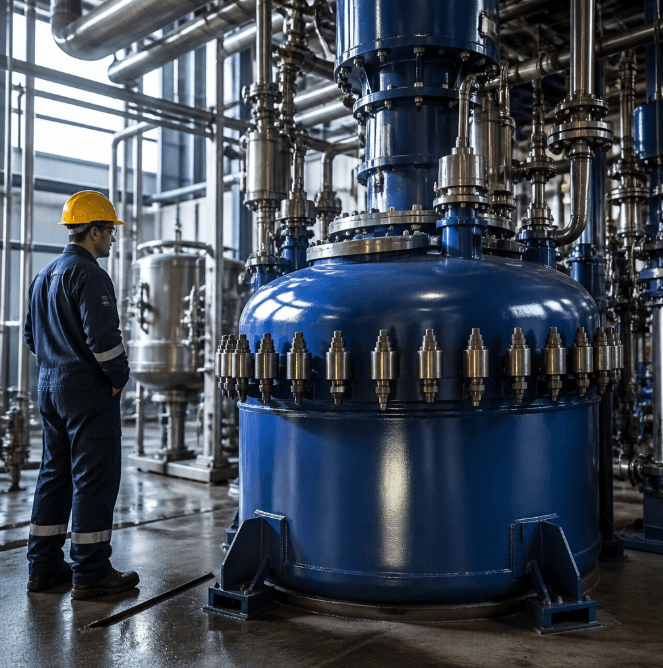
In the world of industrial chemical processing, the materials used to construct reactors are not a minor detail — they are a defining factor in operational safety, product purity, and long-term cost efficiency. Among the most trusted solutions in this space, glass lined reactors have earned a reputation that spans decades and industries. From pharmaceutical manufacturing to specialty chemical production, these vessels offer a combination of chemical resistance, durability, and versatility that few alternatives can match. Understanding why this technology continues to dominate high-stakes processing environments requires a closer look at both the engineering behind it and the real-world outcomes it delivers.
What Makes Glass Lining a Superior Engineering Choice
At its core, a glass lined reactor is a steel vessel coated on its interior with a layer of borosilicate glass, fused to the metal substrate through a high-temperature firing process. The result is a surface that combines the structural strength of steel with the chemical inertness of glass. This fusion creates a barrier that resists attack from a wide range of acids, solvents, and reactive compounds — substances that would rapidly degrade unprotected metal surfaces or contaminate sensitive product batches.
The glass lining itself is non-porous and exceptionally smooth, which means it does not absorb process materials or harbor microbial growth. This is particularly critical in pharmaceutical and food-grade applications where contamination control is not just a quality concern but a regulatory requirement. The smoothness of the surface also reduces fouling and simplifies cleaning, contributing to faster turnaround times between production cycles.
Thermal and Pressure Performance
Beyond chemical resistance, glass lined reactors are engineered to handle demanding thermal and pressure conditions. They are routinely used in processes requiring temperatures ranging from sub-zero to well above 200°C, and they can withstand significant internal pressures and vacuum conditions. This flexibility makes them suitable for a broad spectrum of reactions, including hydrogenation, distillation, condensation, and polymerization — processes that demand both precision and resilience from the equipment involved.
The thermal conductivity characteristics of the glass-steel composite also allow for efficient heat transfer through jacketed designs, enabling precise temperature control during exothermic or endothermic reactions. This level of control is not merely a convenience — in many chemical processes, temperature deviation of even a few degrees can alter reaction kinetics, affect yield, or compromise product quality.
Operational Longevity and Total Cost of Ownership
One of the most compelling arguments for glass lined reactors is their long service life when properly maintained. Unlike polymer-lined vessels that can degrade under UV exposure or thermal cycling, or bare metal reactors that corrode progressively, a well-maintained glass lining can remain serviceable for many years. Routine inspection using spark testing and holiday detection methods allows operators to identify and repair minor damage before it escalates into a costly failure.
When evaluating total cost of ownership, it is important to account not just for the initial capital investment but also for maintenance frequency, downtime costs, product loss due to contamination, and regulatory compliance expenses. Glass lined reactors tend to perform favorably across all of these categories, particularly in industries where product purity directly affects market value and regulatory standing.
Comparing Glass Lining to Alternative Materials
Stainless steel reactors, while widely used, are vulnerable to chloride-induced stress corrosion cracking and can react with certain acidic compounds, introducing metallic contamination into the product stream. Hastelloy and other exotic alloys offer improved corrosion resistance but at substantially higher material costs. PTFE-lined vessels provide excellent chemical resistance but are limited in terms of pressure ratings and can be prone to permeation under certain conditions. Glass lining occupies a practical middle ground — offering broad chemical compatibility, robust mechanical performance, and a cost profile that makes it accessible for both large-scale industrial operations and smaller specialty manufacturers.
Industry Applications Driving Demand
The pharmaceutical industry remains the largest consumer of glass lined reactor technology, driven by the need for contamination-free processing environments and the ability to handle aggressive reagents used in active pharmaceutical ingredient (API) synthesis. However, demand is growing steadily in agrochemical production, fine chemicals, dyes and pigments, and specialty polymer manufacturing. Each of these sectors presents unique process challenges that glass lined reactors are well-positioned to address.
For engineers and procurement professionals working in these industries, staying current with advances in reactor design and materials science is essential. Resources like the AIChE Separations Division and related technical communities provide valuable forums for sharing research, best practices, and emerging technologies that influence equipment selection and process design decisions.
See also: Maximizing Business Efficiency Through Financial Agility 3450570532
The Role of Equipment Condition in Process Efficiency
Process efficiency in chemical manufacturing is not solely determined by reaction chemistry or catalyst selection — the mechanical condition of the equipment plays an equally important role. Just as mechanical degradation in fleet diesel engines can silently erode operational performance over time, subtle deterioration in reactor linings or agitator systems can compromise mixing efficiency, heat transfer, and ultimately product quality. Proactive maintenance and regular inspection protocols are not optional extras — they are fundamental to sustaining the performance that glass lined reactors are designed to deliver.
International Process Plants: A Trusted Source for Glass Lined Equipment
For organizations seeking to acquire glass lined reactors — whether new, refurbished, or surplus — International Process Plants offers an extensive inventory of process equipment backed by deep industry expertise. Their team works with buyers across pharmaceutical, chemical, and specialty manufacturing sectors to identify equipment that meets specific process requirements and budget parameters. With a global network and decades of experience in industrial equipment sourcing, they are a reliable partner for capital equipment decisions that carry significant operational consequences.
The glass lined reactor benefits extend well beyond simple corrosion resistance — they encompass product purity, regulatory compliance, operational flexibility, and long-term economic value. International Process Plants helps clients navigate these considerations with practical guidance and access to quality equipment that supports both immediate production needs and long-term strategic goals.
Conclusion: A Technology Built for Demanding Environments
Glass lined reactor technology represents one of the most enduring and well-validated solutions in industrial chemical processing. Its ability to combine chemical inertness with mechanical strength, thermal versatility, and long service life makes it a preferred choice across a wide range of demanding applications. As industries continue to face pressure to improve product quality, reduce contamination risks, and optimize operational costs, the case for glass lined reactors only grows stronger. For engineers, plant managers, and procurement professionals, understanding the full scope of what this technology offers is not just useful — it is essential to making informed, high-impact equipment decisions.