Stop-and-go operation is one of the harshest environments a diesel engine can face. Long-haul highway driving allows the engine to settle into a steady rhythm where fuel delivery, turbocharger boost, and combustion temperatures stay reasonably consistent. Urban routes, delivery cycles, and construction-site work demand the opposite. Idle, accelerate, brake, idle again, repeated hundreds of times across a workday, place continuous stress on fuel-system components that were designed to perform best under stable load. When fleet diesels begin losing power during this kind of operation, the cause almost always traces back to inconsistencies in how fuel is being delivered and timed.
The Hidden Stress of Urban Duty Cycles
A delivery truck working a city route can perform thousands of throttle transitions in a single shift. Each transition requires the fuel system to adjust pressure, timing, and volume almost instantly. Modern diesels manage these adjustments through a combination of electronic controls, mechanical pumps, and high-precision injectors, but the underlying hardware still has to physically respond to those changes. Over time, the constant pressure cycling, heat buildup, and exposure to varying fuel quality begin to wear down the precise tolerances these systems depend on. Power loss during acceleration is often the earliest noticeable symptom, even before any warning lights appear on the dashboard.
Why Drivers Often Feel the Problem First
Experienced fleet drivers tend to detect fuel-delivery issues long before the diagnostic system flags a fault. They sense it through the throttle pedal, the way the truck responds when pulling out of an intersection, and the slightly delayed kick when climbing a small grade with a load. These subtle changes rarely show up in the same shift as a major breakdown, but they are reliable indicators that something inside the fuel system is drifting out of specification. Fleets that train drivers to report these early observations almost always reduce their overall downtime, because they catch developing problems before they escalate into roadside failures.
Where Power Loss Actually Begins
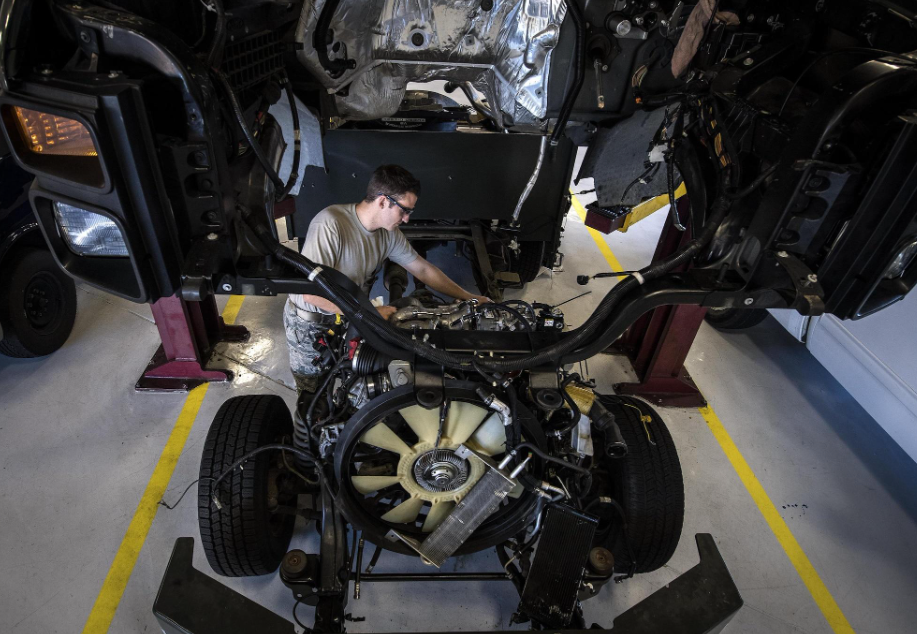
Commercial diesel engines experience constant fuel-demand changes during stop-and-go operation, especially in fleet trucks, buses, and vocational vehicles that cycle repeatedly between idle and acceleration. When fuel pressure or injection timing becomes inconsistent, drivers often notice hesitation, delayed throttle response, uneven acceleration, or power loss while carrying load through traffic conditions. Diesel technicians investigating these drivability problems typically inspect injector balance, rail-pressure stability, contamination levels, and the condition of the navistar diesel injection pump because the pump regulates fuel-delivery timing and maintains consistent pressure throughout the combustion cycle.
An injection pump that loses calibration or internal pressure stability disrupts combustion before complete engine failure occurs. Fuel reaches injectors unevenly during throttle transitions, which creates inconsistent cylinder firing and reduces torque response under acceleration. Fleet vehicles place continuous stress on diesel fuel systems because repeated idle-to-load transitions force the engine to maintain precise fuel delivery across changing RPM ranges throughout the workday. Internal wear, air intrusion, or contaminated diesel fuel can also reduce pump efficiency and create irregular injection timing that affects startup quality and emissions output. Technicians commonly test injector correction values, fuel pressure retention, and pump timing together since each component influences combustion consistency across the entire engine system. Replacing a failing injection pump restores smoother throttle response, stabilizes fuel delivery under load, and reduces downtime caused by recurring fuel-pressure faults in commercial diesel applications.
Air, Fuel, and the Balance That Holds Power Together
Diesel power depends on a controlled balance between air and fuel, and stop-and-go operation challenges that balance constantly. During acceleration, the turbocharger needs a moment to spool up and supply the volume of compressed air the engine demands. If fuel arrives before the air does, the engine produces smoke and lags. If air arrives without enough fuel, the engine hesitates. A healthy injection pump keeps both halves of that equation synchronized, so the driver feels predictable power even during rapid throttle changes. When the pump’s timing or pressure regulation slips, the synchronization breaks down, and the symptoms reach the driver almost immediately.
The Quiet Damage of Idle Time
Extended idling is one of the most underestimated sources of injection system wear. Many fleet vehicles spend large portions of the workday idling at delivery stops, loading docks, and traffic signals. During idle, combustion temperatures drop, fuel pressure cycles repeatedly, and incomplete burning leaves carbon residue inside injectors and on cylinder walls. Over months of operation, these deposits change spray patterns and affect pressure stability throughout the system. Reducing unnecessary idle time, when operationally possible, is one of the simplest ways to extend the working life of an injection pump.
Fuel Management as a Performance Strategy
Power loss in fleet diesels is not always a hardware problem. The quality and consistency of the fuel itself plays a significant role. Variable fuel sources, contaminated tanks at lower-volume stations, and inconsistent additives can all contribute to gradual injection system wear. Fleet operators who centralize their fuel sourcing through structured programs often see noticeable improvements in both engine longevity and operational predictability. A practical overview of how fuel card programs streamline business fleet management illustrates how controlled fueling habits, beyond simple cost savings, support the kind of operational consistency that diesel engines respond well to.
Filtration and Water Separation
Even with disciplined fuel sourcing, every fleet diesel needs reliable filtration. Water is the single most destructive contaminant in modern diesel fuel, capable of damaging injection pumps and injectors in remarkably short periods. Replacing primary and secondary fuel filters on schedule, draining water separators regularly, and inspecting fuel lines for air intrusion are all small, low-cost practices that prevent expensive failures. Many fleet maintenance programs underweight these steps because they seem too basic to matter, yet experienced shops consistently report that the fleets following them best suffer the fewest catastrophic fuel-system failures.
Diagnosing Power Loss the Right Way
When a fleet diesel begins losing power, methodical diagnosis matters more than any single test. Technicians typically start with a complete scan of stored and pending fault codes, then move to live data analysis while the vehicle is driven under conditions similar to those producing the complaint. Rail pressure stability, injector correction values, fuel temperature, and turbo boost readings tell a coordinated story that no single measurement can capture alone. A detailed look at how modern diesel fuel systems and injector setups operate helps explain why diagnosing power loss in a current-generation diesel requires more than the basic tools that worked on older mechanical systems.
When Replacement Becomes the Right Call
There comes a point in every injection pump’s life when repair no longer makes economic sense. Once internal wear affects timing accuracy and pressure stability, the cost of repeated diagnostic visits, ongoing performance loss, and lost productivity often exceeds the cost of replacement. Fleet operators who track downtime carefully usually find that proactive replacement, scheduled around natural service intervals, saves significantly more than reactive replacement performed after an on-route failure.
Choosing a Reliable Source for Fuel-System Components
Replacement quality is critical in commercial diesel applications, where downtime costs accumulate quickly and reliability has direct revenue consequences. Goldfarb Inc. has built its reputation by serving exactly this kind of demanding market. With decades of experience supplying new, used, and professionally rebuilt diesel fuel-system components, including injection pumps for Navistar and other heavy-duty platforms, the company has become a trusted resource for fleet operators, independent diesel shops, and vocational vehicle owners. Their inventory depth is especially valuable for engine platforms that have moved past their original manufacturer support window, where finding original-quality components through dealer channels has become difficult or prohibitively expensive. For operators who depend on their trucks to earn revenue every working day, sourcing from a specialist supplier with deep technical familiarity often proves more practical than navigating generic aftermarket alternatives.
Final Thoughts
Power loss during stop-and-go operation is rarely an isolated event. It usually reflects the cumulative impact of high-cycle duty, fuel-quality variation, and gradual wear inside the components that control fuel delivery timing. Fleets that recognize these signs early, invest in disciplined fuel management, and replace failing injection pumps with quality components before they cause unscheduled downtime almost always come out ahead. The diesel engine remains one of the most durable powerplants ever built, but it rewards attention to detail. When operators give it that attention, the engine repays them with the consistent performance their business depends on.